BIM and WEBCON BPS integration – how to automatize the ordering process
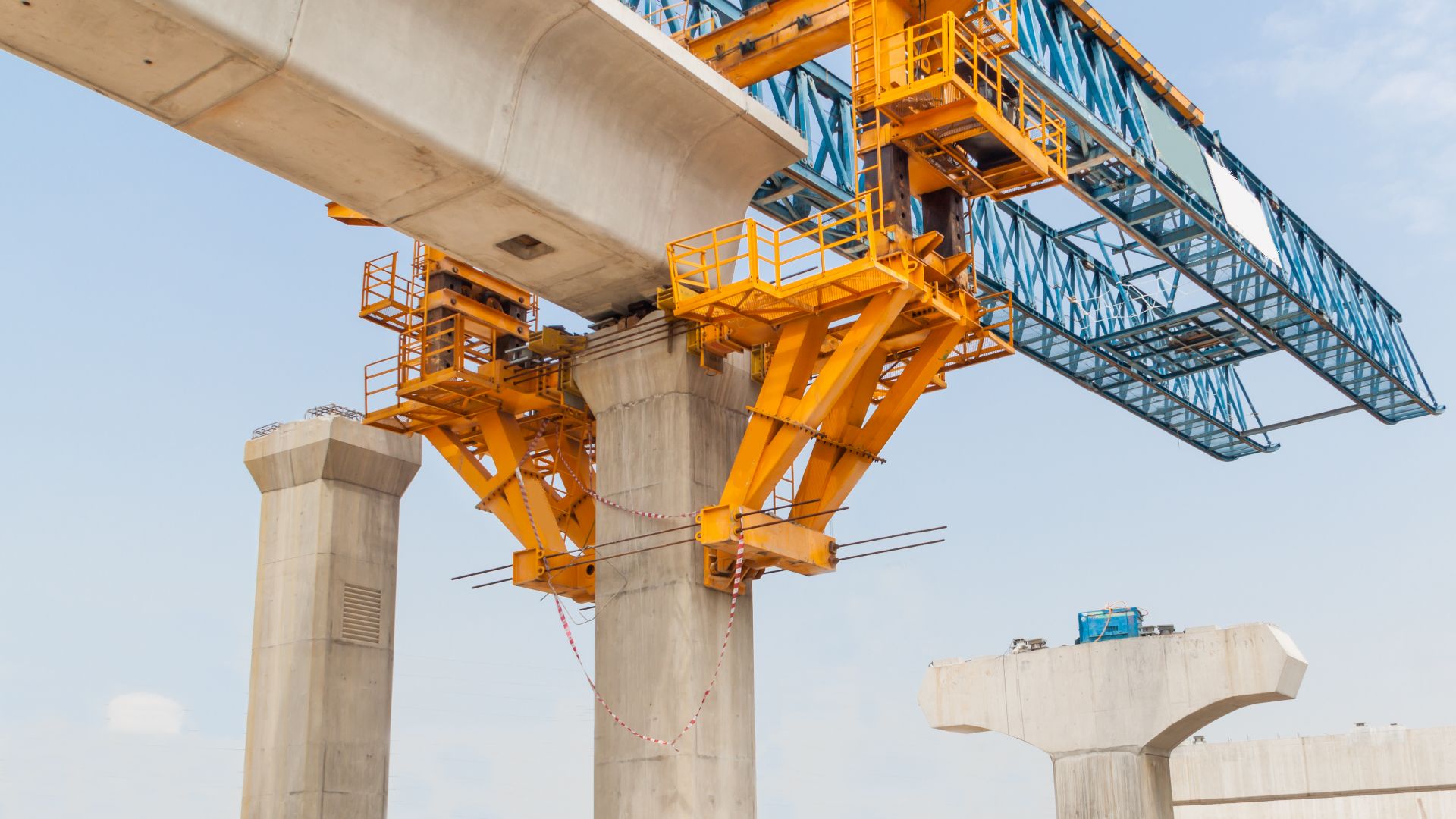
The construction industry is expanding at an accelerating pace, directly contributing to the strength of the global economy. As Maciej Krasoń, Partner in Deloitte’s Audit & Assurance practice, notes, “Well-developed infrastructure contributes to GDP growth, which in turn enhances productivity, strengthens the competitiveness of businesses, and fosters economic cooperation.”
At the same time, the growing number of construction projects is bringing new challenges, particularly around the significant opportunity to leverage technology to deliver projects more efficiently and cost-effectively. For many years, the construction sector postponed the adoption of available digital technologies that could have streamlined existing processes and improved operational performance.
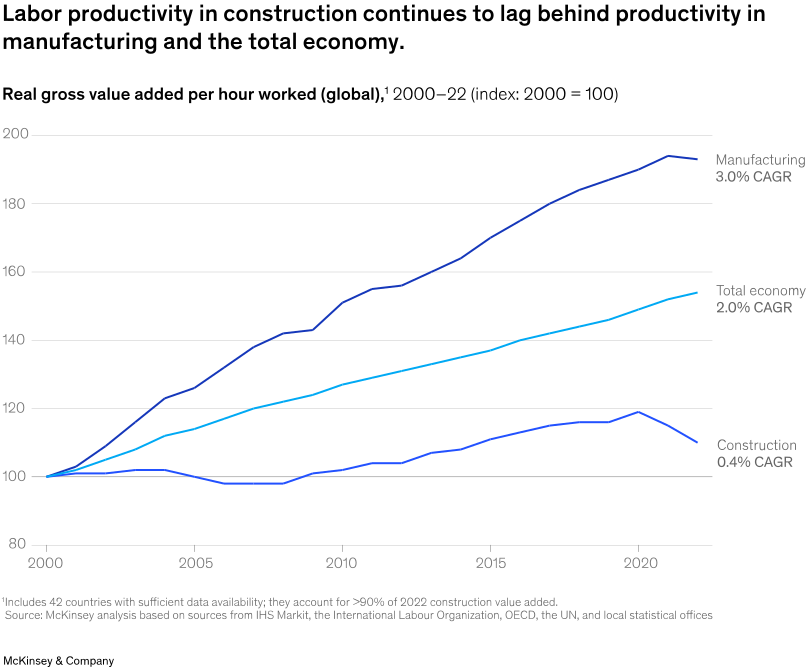
This trend is reflected in a McKinsey report examining productivity growth in construction compared with other industries and overall economic growth between 2000 and 2022. During this period, productivity in the construction sector increased by only 10%, equivalent to an average annual growth rate of 0.4%. By comparison, overall economic productivity rose by 50% (approximately 2% per year), while the manufacturing sector achieved a remarkable 90% increase (around 3% annually). Furthermore, between 2020 and 2022, productivity in the global construction industry declined by 8%, highlighting the urgent need for greater digitalization and process innovation across the sector.
A response fro the past to problems in the future
Douglas C. Englebart in his work “Augmenting Human Intellect “describes design based on objects, parameters and dependent databases. This vision begins to materialise many years later with the advent of object-oriented modelling tools as well as low-code platforms. These are the beginnings of BIM technology.
BIM (Building Information Modeling) is the subject of many articles and studies in the public domain, but in this article, I would like to introduce the systems supporting the main production plan and the integration between it and CDE (Common Data Environment) platforms.
The tool as support for good collaboration
The role of technology in the industry continues to grow, with digital transformation becoming an expected systemic change. Quoting Marek Kuszneruk, an industry expert: “… the most important determinant of the construction industry of the future will be good collaboration“. In his statement, he points to a change in approach, cooperation must be based on mutual understanding and a focus on achieving mutual benefits. With integrated IT tools, such collaboration can indeed happen, supporting joint action, communication and goal achievement.
Building for the future requires complex implementation of new solutions in an efficient way. It is important to define expectations correlated with actual need and development plans. At the same time, it is important to build awareness among employees of the benefits of these changes (more on this in the article “Digital Adoption and digital transformation“).
A few words about support systems
Each construction company has ERP (Enterprise Resource Planning) systems automating some of the key processes, such as:
- Supply Chain Management,
- Human resources management,
- Financial management,
- Management analyses.
However, the level of adaptation of these processes to the specifics of the construction industry is still very low. That is why the importance of ERP will decrease with the development of CDE platforms containing integrated tools allowing to automate the main operational processes in the construction industry, such as:
- Coordination of production processes,
- Coordination of human, equipment and material resources,
- Management of defects, complaints,
- As-built documentation management (for the needs of the investor or facility manager),
- Project data management,
- Change management,
- Production supervision.
Most of these processes require proper flow of information and documents as well as the possibility to create dedicated processes with a specific business logic. The WEBCON BPS system gives you such a possibility. It is a very good alternative to many supporting platforms, as Aleksander Damaz wrote in his article “WEBCON vs other low-code platforms“. It is worth mentioning the example of one of our clients from the construction sector who recognized the potential of this tool and automated over 50 processes using the WEBCON BPS platform.
Integration of CDE platforms with WEBCON BPS
No matter how many processes we implement, the need for integration between them and the rest of the company’s IT systems still remains one of the most important demands of level two BIM. Therefore, the next step is to ensure integrity and efficient communication.
At GoNextStage we are working on the integration of CDE platforms with WEBCON BPS. The first project completed is the integration and automation of the order process.
“Using multiple systems creates inefficiencies for users, so we are making our solution available on the WEBCON website.”
Generation of orders as an example of the integration
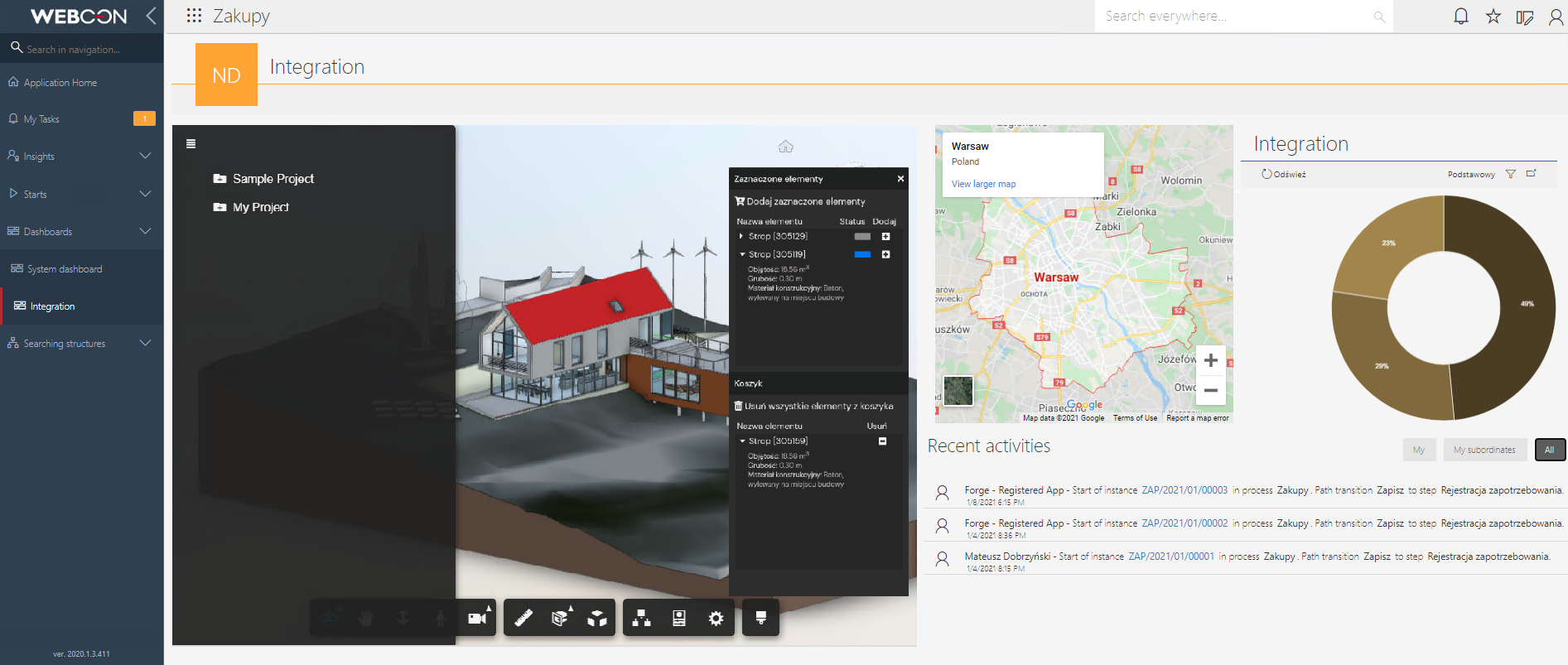
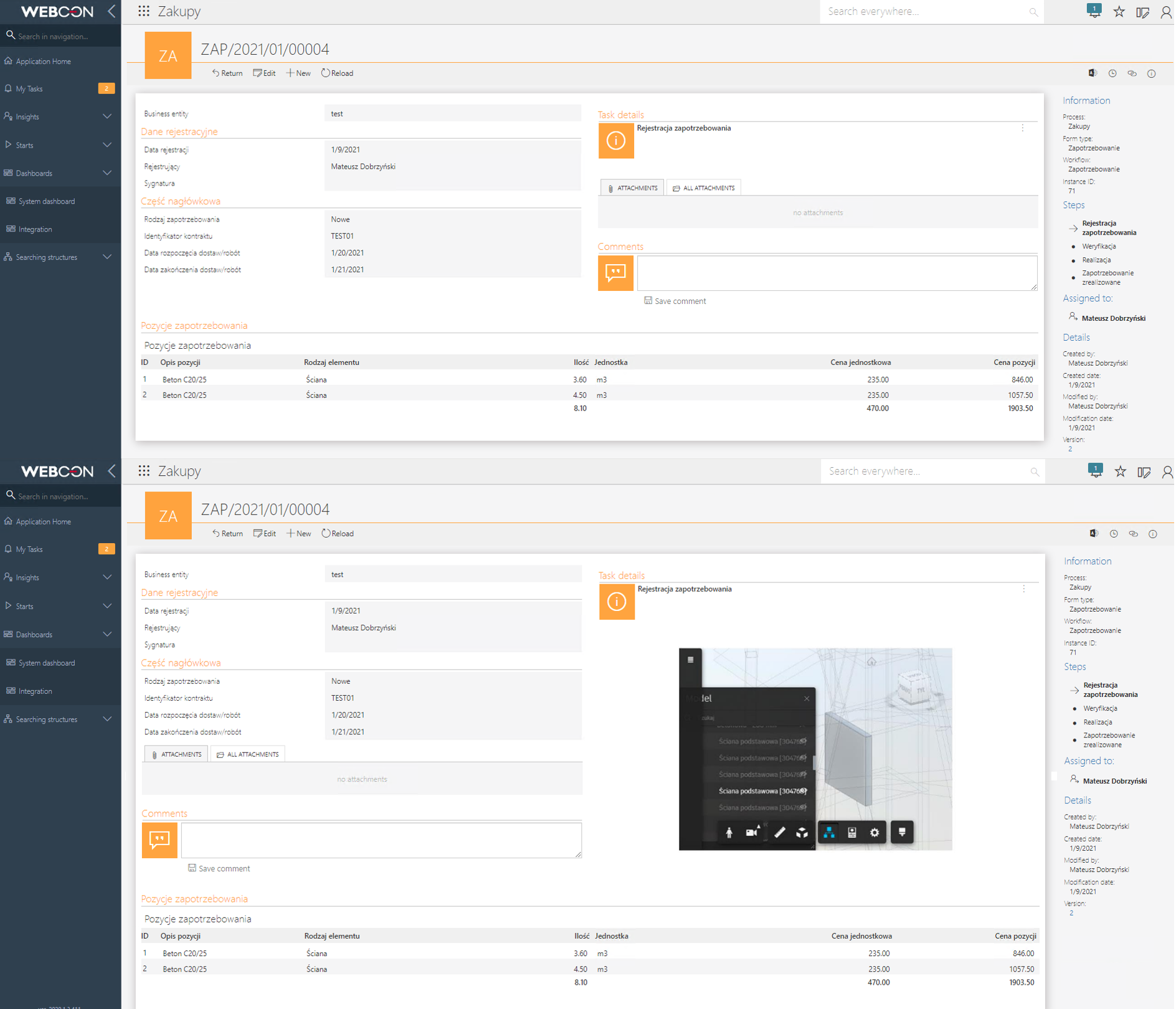
The process of generating an order thanks to CDE integration is extremely simple from the user’s perspective. In the technical model, all you have to do is select the item you are interested in, move it to the basket and then generate an order. In a new tab, a form will open with the data taken from the model. Once the order has gone through the process of verification and approval, there will be a change of status visible on the model in the form of colour and description. Related elements of the model are displayed on the generated order – such a procedure is intended to streamline the process of verification of ordered elements and indicate to the user with which elements of the building object the given order is related. Then, such a process can be related to the description and acceptance of invoices, budget control, etc.
Further development plans for GoNextStage products for the construction industry
At GoNextStage we recognise how BIM technology brings change to the entire construction industry. Many analyses and market studies indicate that the next few years will see it increasingly used to optimise costs and gain competitive advantage. This is discussed in more detail in the report “Construction. Innovation. Vision of Industry Leaders 2025” prepared by ASM Centre for Market Research and Analysis on behalf of Autodesk.
That is why our R&D team develops new products to facilitate work on projects related to construction and property management. More on this in our upcoming articles and publications.
I warmly invite you to subscribe to our newsletter in which we will write about how the integration of BIM and the use of low-code platforms can optimise processes and improve communication in the Investor – General Contractor – Design Office relationship.
It is worth to be up-to-date. Join us today.