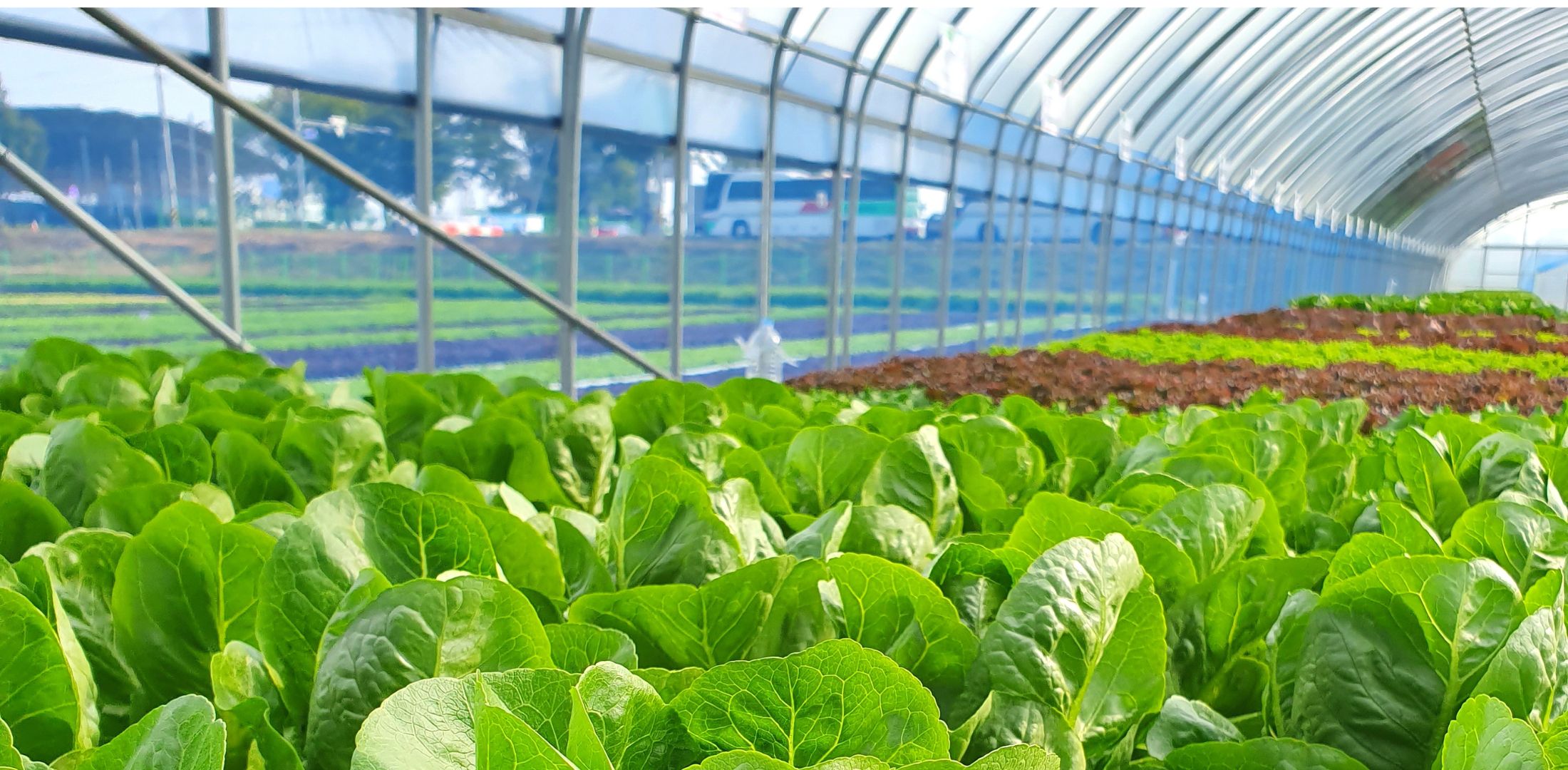
Świeże warzywa z pola na stół z pomocą digitalizacji.
Jak Green Holding rośnie dzięki automatyzacji procesów biznesowych
Products from the Fit & Easy brand, manufactured by Green Factory, make their way every day from fields and production facilities to the homes of millions of consumers. As a leading fresh produce company in Central and Eastern Europe, Green Holding serves major retail chains such as Jeronimo Martins PL and Lidl, as well as key players in the HoReCa sector, including McDonald’s. The company began its digital transformation journey in 2020. Today, powered by the Polish low-code platform WEBCON, Green Holding operates an efficient IT ecosystem that supports business processes across seven companies within the group and enables agile business growth.
Founder Artur Rytel started in 1997 as the co-owner of a small vegetable processing plant. Today, Green Holding comprises 11 companies, three farms covering over 1,000 hectares, and nearly 1,500 employees. As a market leader in Central and Eastern Europe, Green Factory continues to expand its operations in Ukraine, Lithuania, and Hungary. Its mission is to deliver the highest-quality fresh vegetables, salad mixes, and plant-based ready meals to retail and food service customers. Business process automation plays a key role in making that possible.
Project scale
Fresh Means Just-in-Time
Green Holding operates according to lean management principles, focusing on rapid delivery, high product quality, operational efficiency, and continuous improvement. This approach is essential in the fresh food industry, where timing directly affects product quality and customer satisfaction.
The nature of our business requires exceptional organizational and communication efficiency. Hence, the demand on the IT systems that support our operations is huge. When we launched a large-scale digital transformation initiative in 2020, our first challenge was finding a flexible IT platform that would allow us to quickly build applications supporting complex business processes and extend them across additional companies within the group. WEBCON's low-code platform proved to be the right choice.
Nowe produkty szybciej na półkach dzięki aplikacji zbierającej dane o produkcie
In FMCG industry, the time from product concept to market launch has a direct impact on revenue and competitive advantage. Every delay can mean missing a seasonal opportunity or losing valuable shelf space. At Green Holding, launching a new product required close collaboration among multiple departments, including R&D, Production, Quality Assurance, Logistics, and Sales. Information related to recipes, production technologies, packaging specifications, and storage requirements was spread across different sources, making coordination slower and increasing the risk of errors.
Working together with GoNextStage, the company implemented a WEBCON-based application that centralizes all product-related information in a single location. The system automatically collects and organizes data related to:
- Product composition and recipes
- Manufacturing processes
- Storage requirements
- Packaging specifications
As a result, every department works with the same up-to-date information. The workflow enforces a consistent process and eliminates the need for manual information exchange.
Within two years of adopting the platform, Green Holding and GoNextStage developed a comprehensive IT ecosystem supporting the company’s most critical business processes. Applications were implemented for:
Raw material and goods invoice processing
Contract management
Export document management
New product development and launch processes
The transformation continues, with additional solutions planned to support budgeting, contract negotiations, and day-to-day operational activities.
Rolling Out Processes Across Multiple Companies
WEBCON proved highly effective in supporting IT deployments within Green Holding’s complex organizational structure, spanning multiple companies and markets. A critical success factor was developing the right rollout strategy for extending solutions across the entire group.
One of the key challenges in any rollout initiative is balancing a standardized approach with local business requirements. Organizations must decide whether to deploy a common solution across all entities or create dedicated applications for each market. The advantage of standardization is the ability to leverage proven best practices and successful local solutions across other companies within the group. This was the approach recommended to Green Holding, supported by WEBCON's multi-company capabilities.
As we continue expanding the application infrastructure across additional companies within the group, we are automating production, administrative, controlling, and investment-related processes while still accommodating the unique requirements of each business entity.